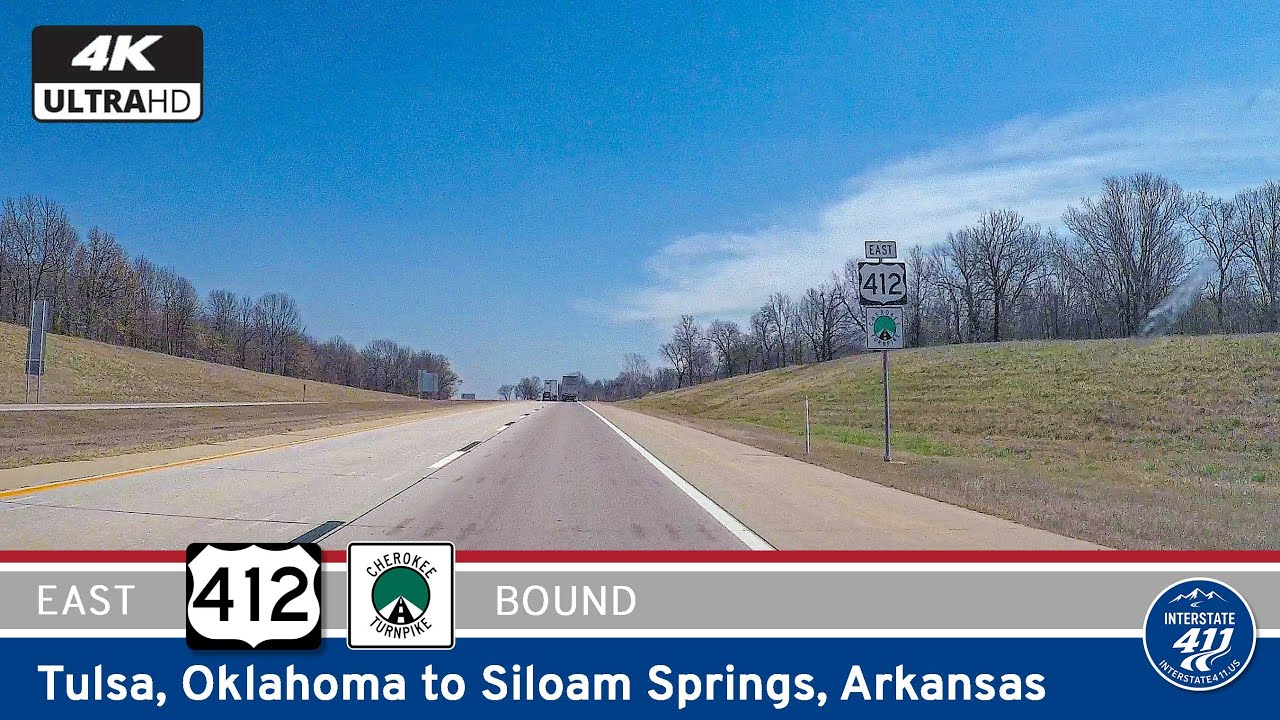
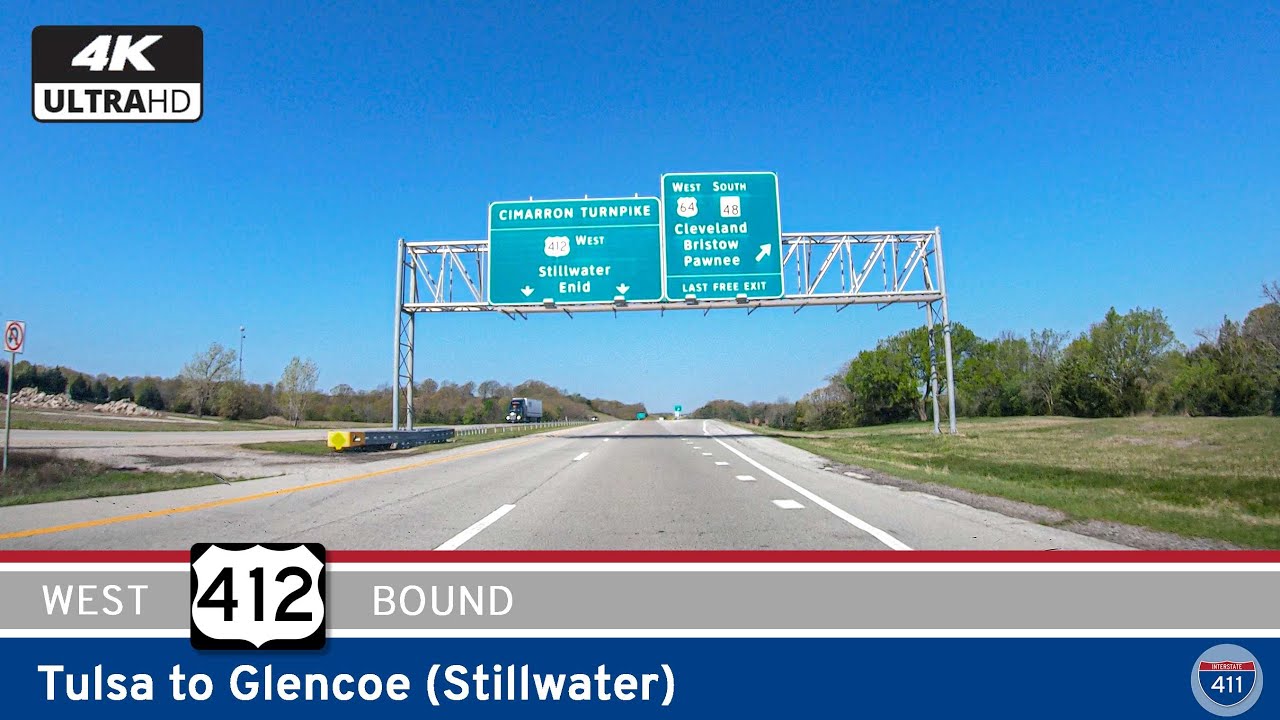
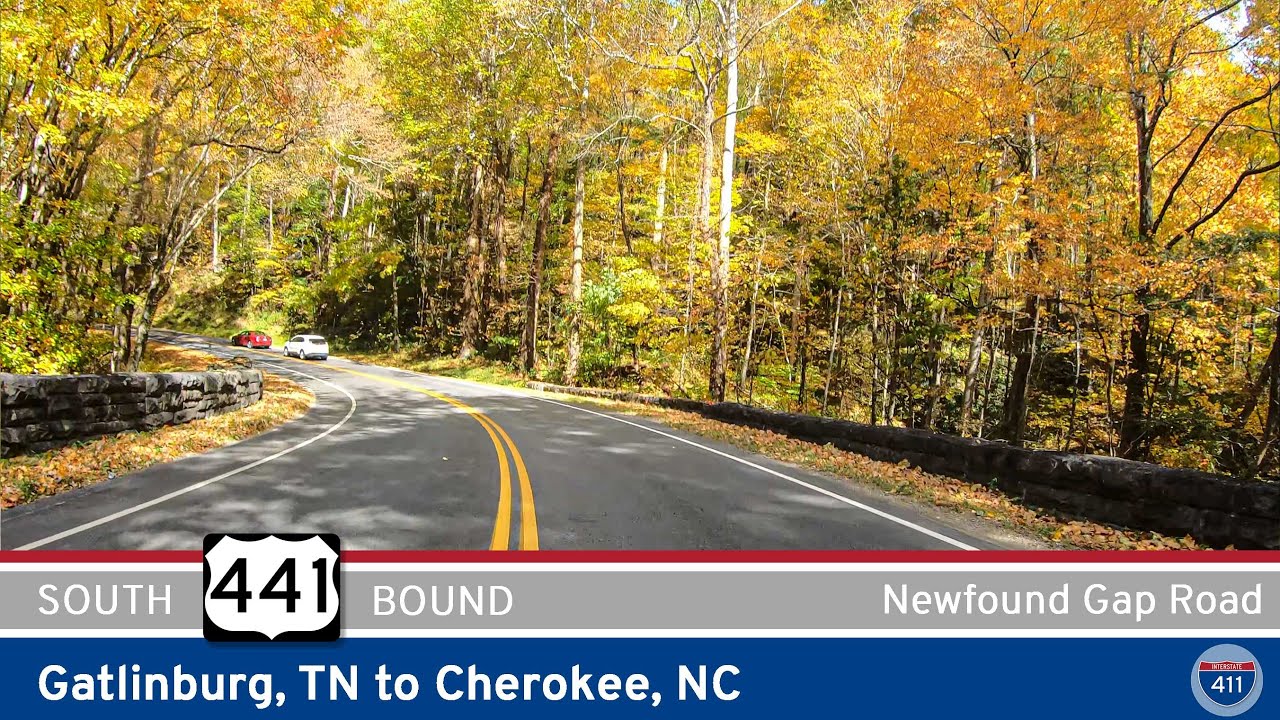
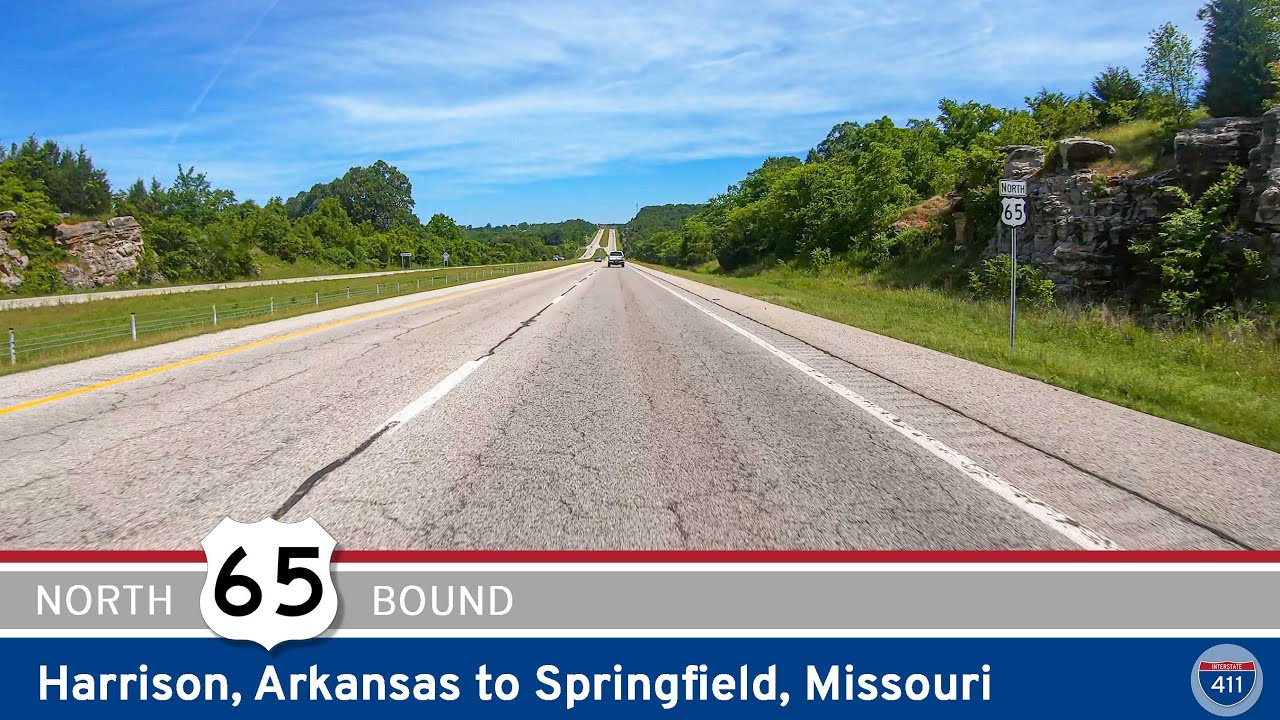
The U.S. Numbered Highway System—often referred to as U.S. Routes or U.S. Highways—is a nationwide network of roads established in 1926 to improve long-distance automobile travel across the United States. Unlike the Interstate system, U.S. Highways predate freeways and often serve as main streets, scenic byways, or vital connectors through rural and urban communities alike. Many historic routes, including iconic roads like U.S. Route 66, trace their roots to this enduring network.
These highways use a grid system for numbering: odd-numbered routes run north–south, increasing from east to west, while even-numbered routes run east–west, increasing from north to south. Important cross-country highways typically end in “0” or “1” (like US 20 or US 1), and three-digit offshoots usually indicate spurs or loops branching from mainline routes.
Today, the U.S. Highway system continues to evolve—some segments have been decommissioned, realigned, or upgraded to freeways—but many routes remain essential for regional travel, trucking, and scenic exploration. This category explores the entire U.S. Numbered Highway network, from coast to coast and border to border.