Drive 8 miles along Arkansas Highway 229 from Traskwood to Haskell as pine woods give way to neighborhoods and a short US-67 concurrency guides you to I-30. A clear, chronological tour of road character, local context, and key junctions on AR-229.

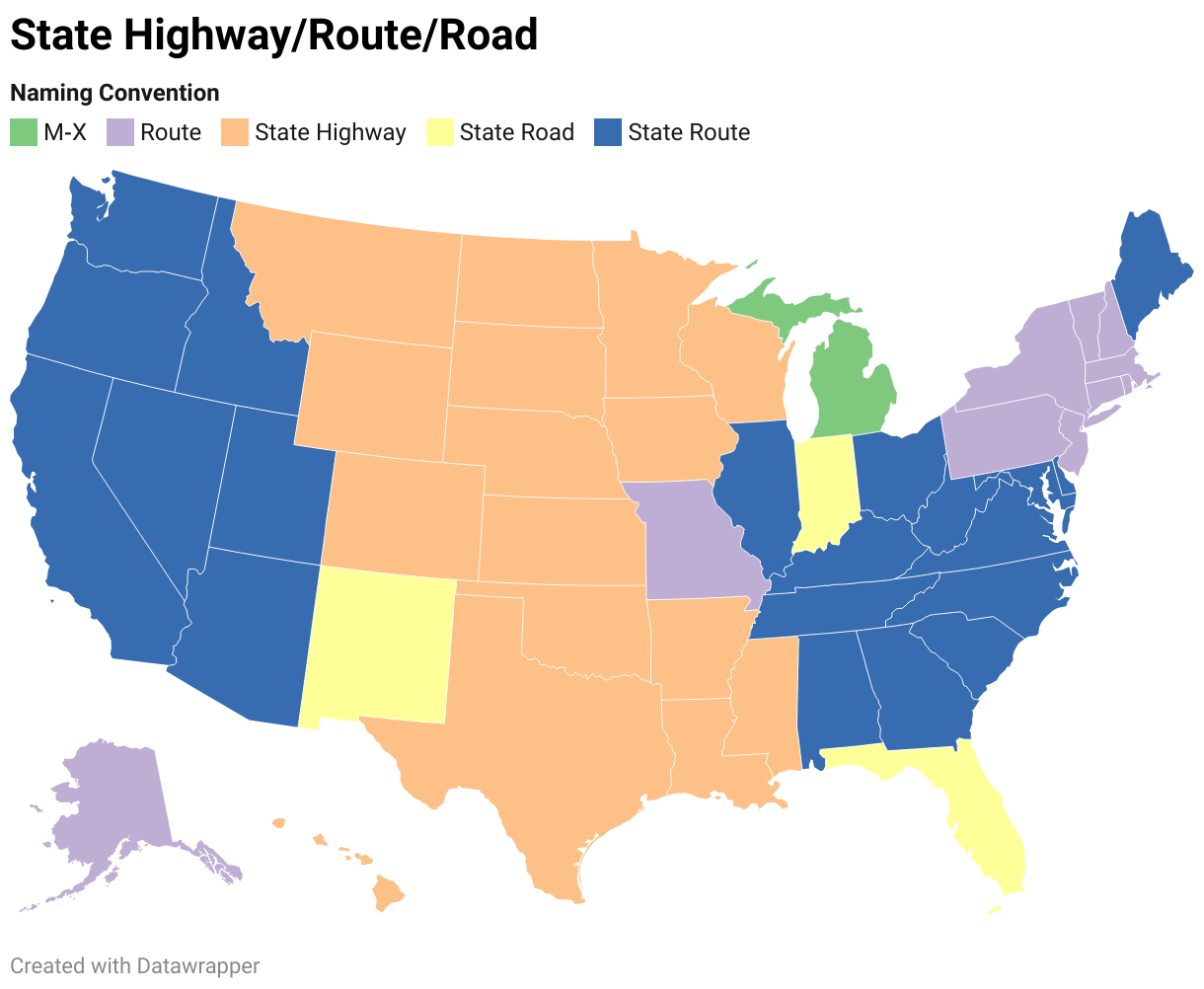
Explore America’s diverse network of state highways—regional routes managed by individual states that connect towns, cities, parks, and scenic landscapes.
State highways form the backbone of regional travel across the United States, offering essential connections between cities, rural communities, and major national routes. Managed by individual state departments of transportation, these highways vary widely in scale—from narrow rural byways to multi-lane expressways rivaling interstates in traffic and speed. While numbering systems and signage conventions differ from state to state, each network plays a critical role in local mobility and economic development.
Unlike the federally designated Interstate and U.S. Highway systems, state highways are developed and maintained at the state level, giving them a unique character and flexibility. Some follow historic paths and scenic corridors, while others serve as modern commuter routes or urban spurs. Many are vital links to state parks, natural attractions, and lesser-known destinations that don’t fall within the national systems.
On this site, we highlight a growing collection of notable state highways, organized by region and state. Whether you’re tracing a scenic loop through the mountains, navigating a fast-moving corridor through a metro area, or exploring forgotten rural routes, our guides offer detailed overviews, and video journeys to help you plan your next adventure.
State Departments of Transportation use different terminology for their designated road systems, with some states using “state highway,” others “state road,” and still others “state route.” These distinctions, though seemingly minor, often reflect historical and legislative traditions within each state. The choice of a particular term can be tied to the legal language used when the road network was first established or expanded. For example, a state might have initially defined its network as a “system of highways” for commerce and travel, while another may have focused on creating a “system of roads” for local and inter-city connections. The term “state route” is often a more modern designation that emphasizes a specific numbered path for navigation rather than the physical characteristics or purpose of the road itself. While the exact reasoning for each state’s choice is complex and rooted in its unique history, the map on the right provides a visual guide to which term is used where.
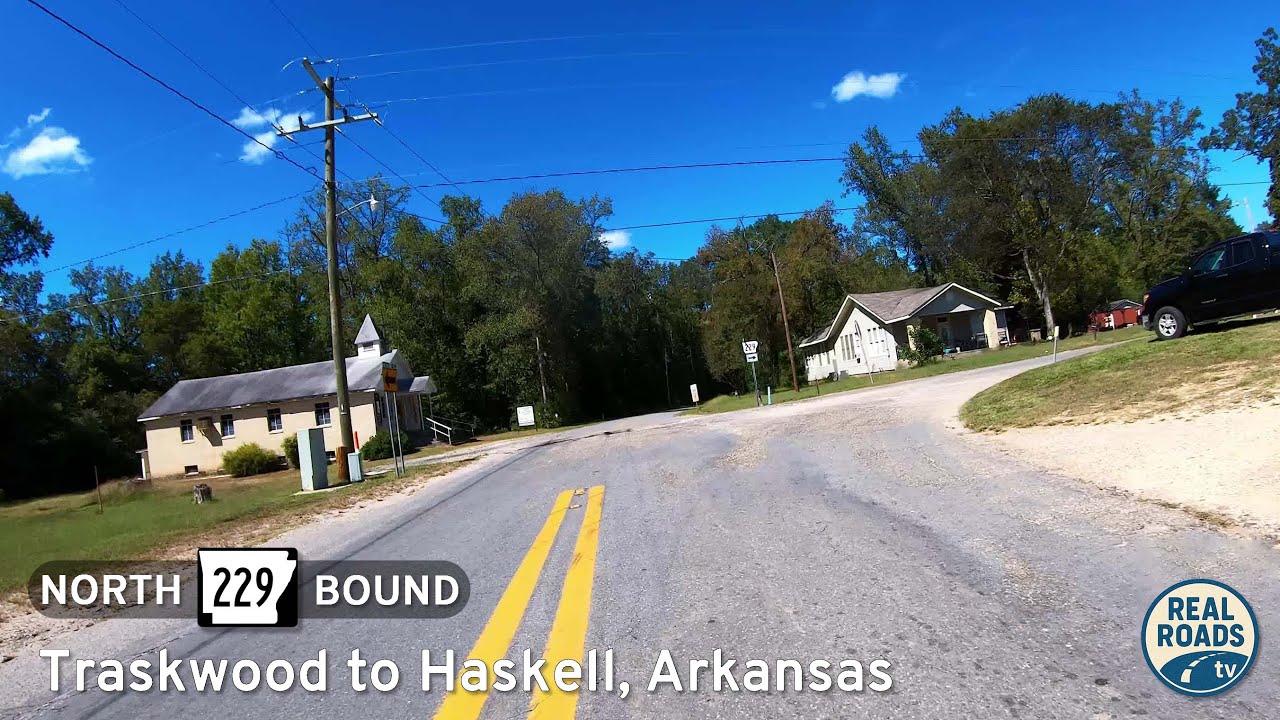
Drive 8 miles along Arkansas Highway 229 from Traskwood to Haskell as pine woods give way to neighborhoods and a short US-67 concurrency guides you to I-30. A clear, chronological tour of road character, local context, and key junctions on AR-229.
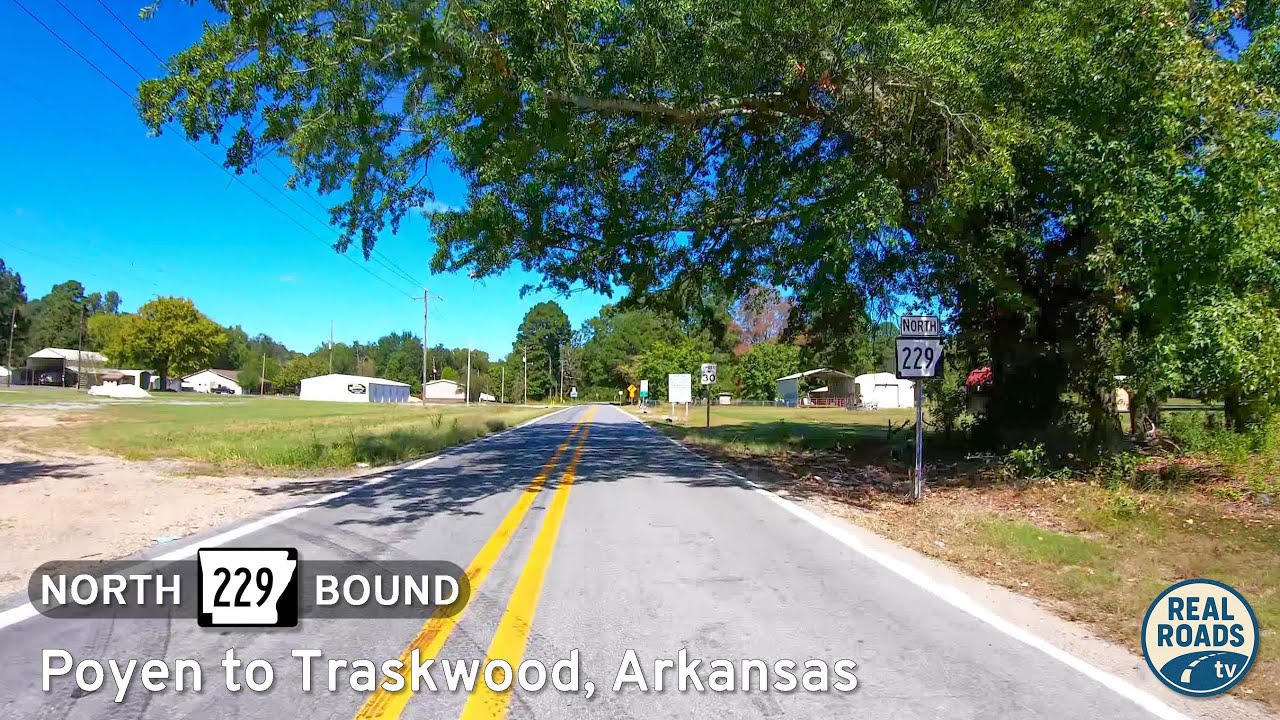
Cruise 10 miles north on Arkansas Highway 229 from Poyen to Traskwood, passing pine plantations, hay fields, and quiet rural communities along a classic two-lane highway in south-central Arkansas.
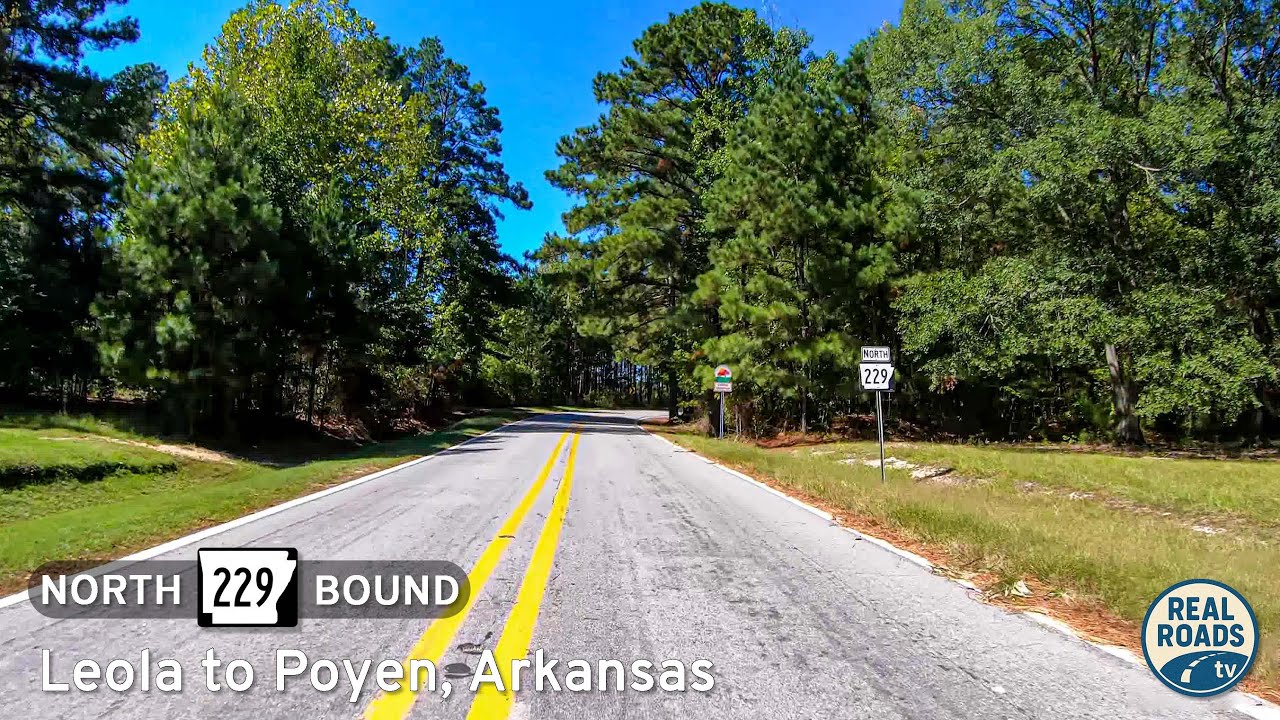
A calm 11-mile drive on Arkansas Highway 229 from Leola to Poyen through timber country and small farms, ending at US-270. Gentle curves, pine stands, and small-town rhythms in the Ouachita foothills.
![Arkansas Highway 46: Sheridan to Leola [Revisited]](https://www.openroadarchive.com/wp-content/uploads/2025/10/kyk61mgzg1umaxresdefault.jpg)
A calm, first-person drive along Arkansas Highway 46 from Sheridan to Leola—through pine plantations and Saline River bottomlands—with a worthwhile side trip to Jenkins Ferry Battleground State Park. Route details, scenery notes, local context, and a map.
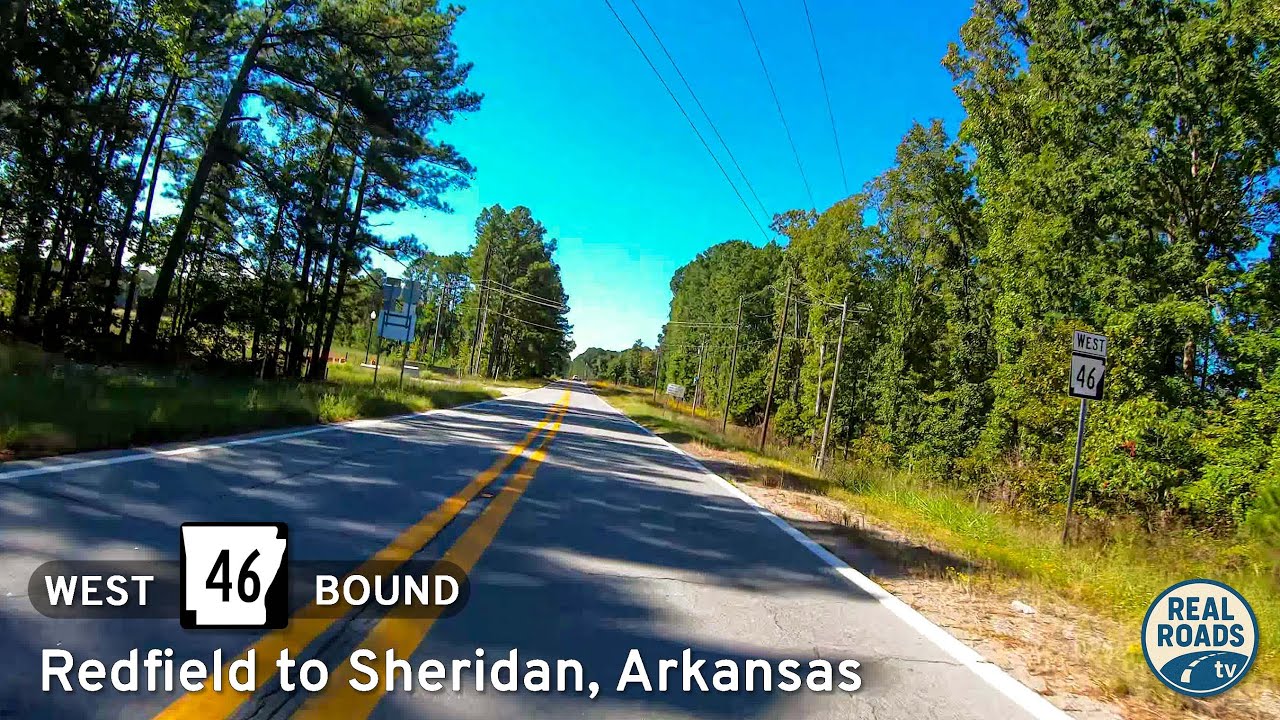
A first-person drive on Arkansas Highway 46 from Redfield to Sheridan: 16 miles of Piney Woods, gentle curves, rural homesteads, and a smooth two-lane connector between AR 365/I-530 and US 270—with local history and small-town context along the way.
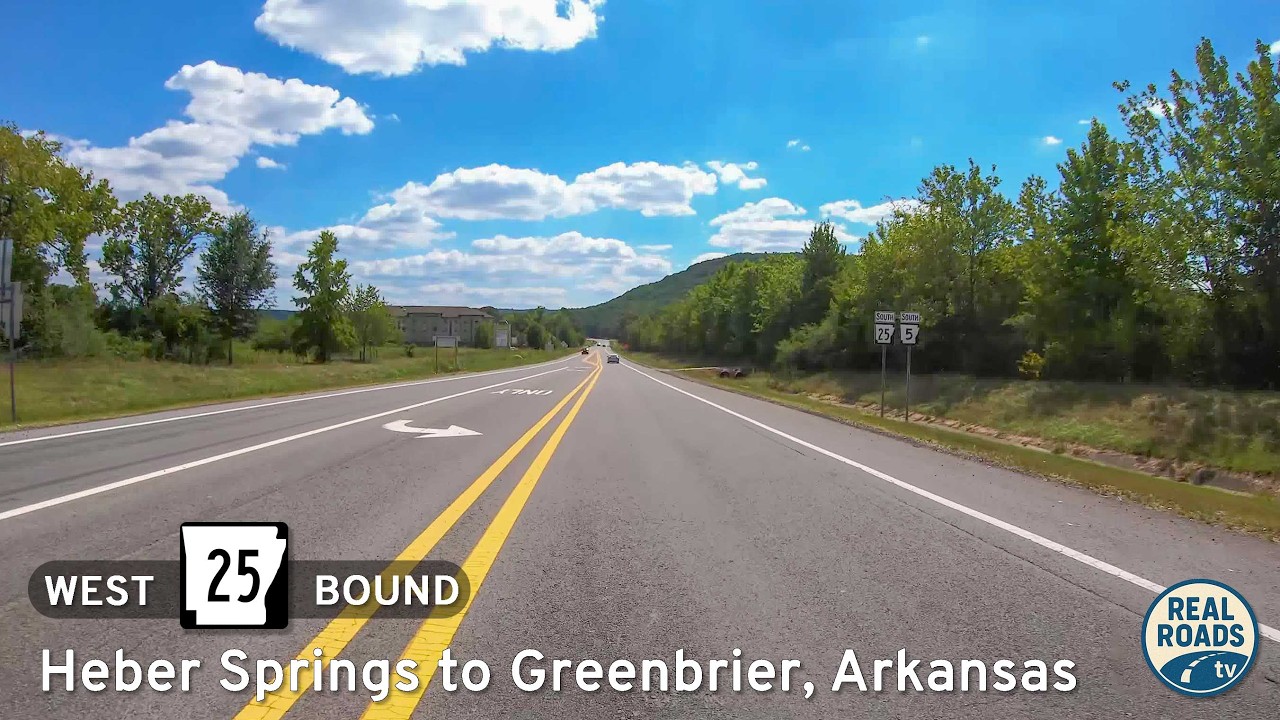
A 31-mile Ozark-foothills drive on AR-25 from Heber Springs to Greenbrier—past hay fields, hardwood ridges, and small-town main streets—ending at US-65 with valley views.
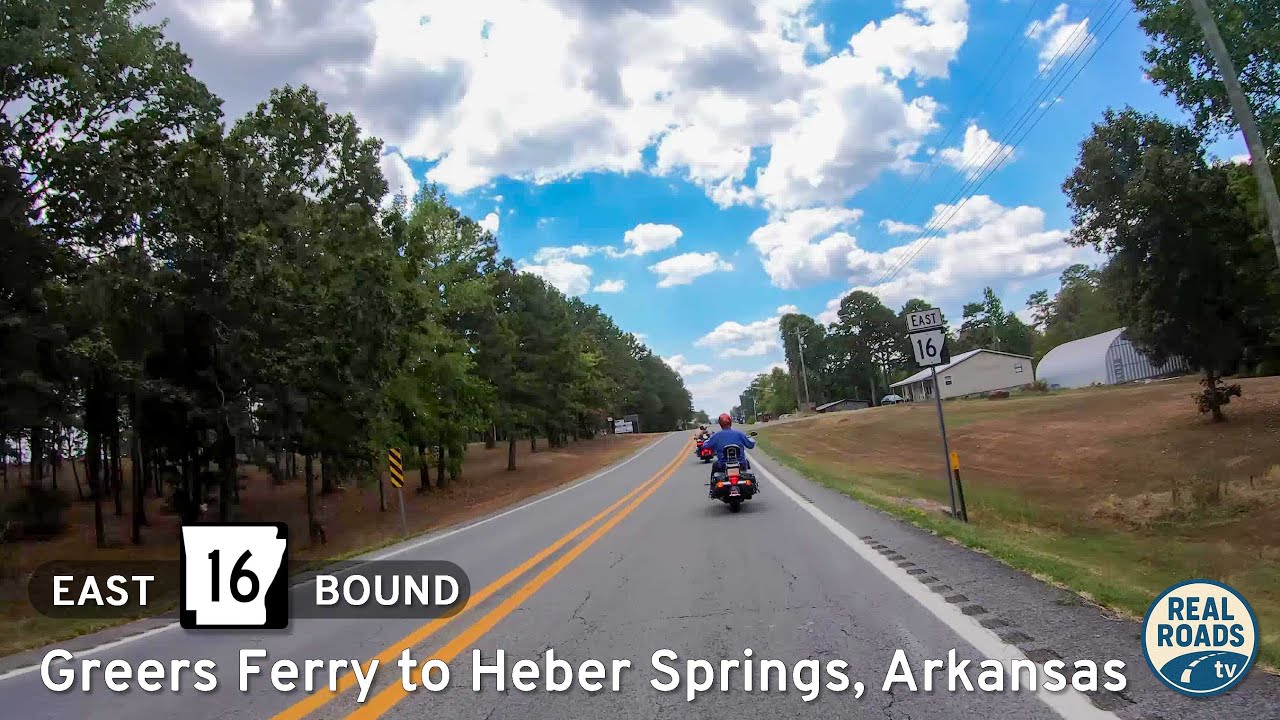
Cruise Arkansas Highway 16 from Greers Ferry to Heber Springs—a 22-mile lake-to-town drive of wooded ridgelines, fleeting Greers Ferry Lake views, and a welcoming finish near the Little Red River. Highlights include Devils Fork Recreation Area, Heber Springs’ trout-…
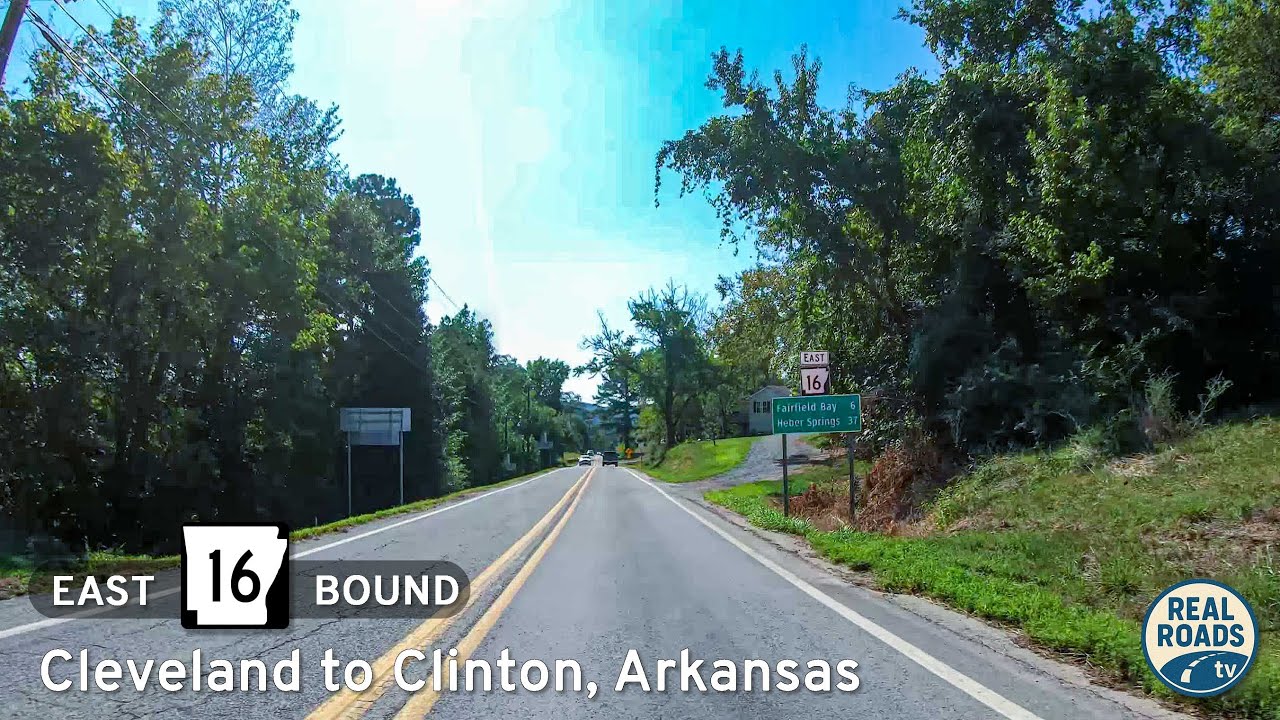
Drive 22 scenic miles on Arkansas Highway 16 from US-65 in Clinton to Devils Fork Recreation Area at Greers Ferry Lake. Follow a first-person travelogue through Ozark ridges, pine-hardwood forest, and lake-view curves—with local tips and an interactive map.
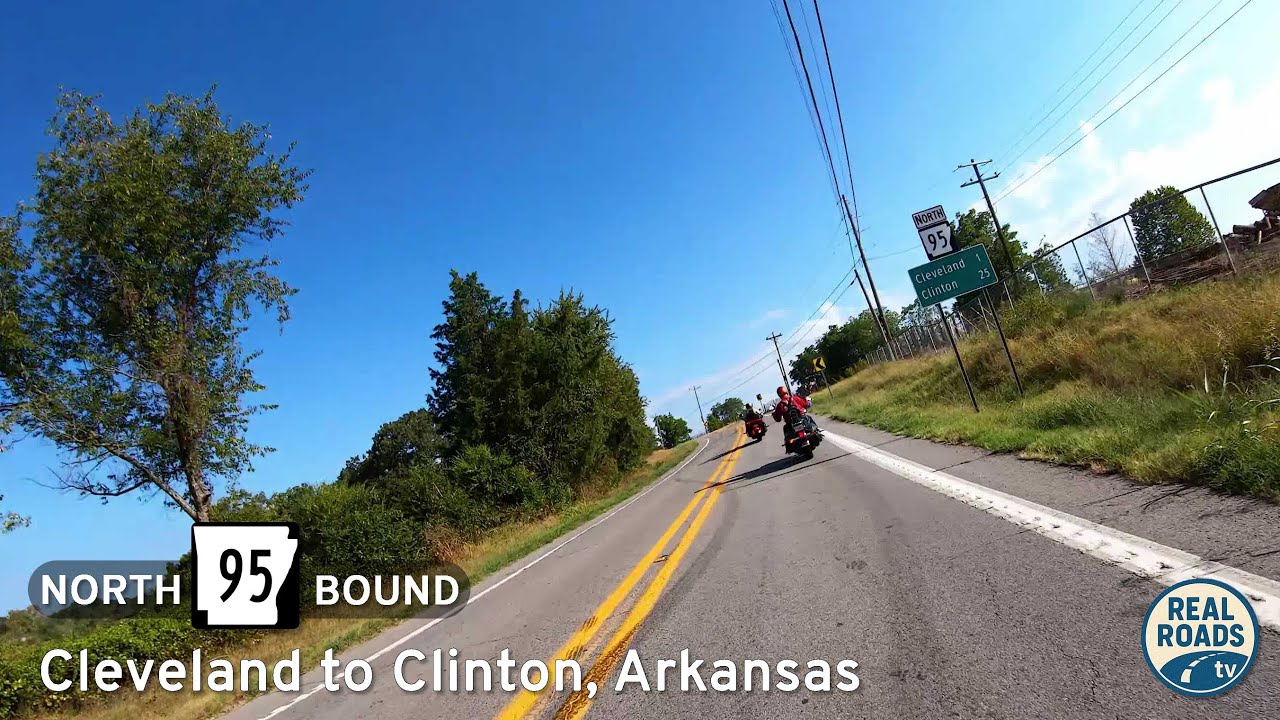
Drive 24 miles on Arkansas Highway 95 from the AR-124 junction south of Cleveland to US-65B in Clinton. Enjoy Ozark-foothill scenery, rolling ridges, creek crossings, and rural communities on a smooth, two-lane route through Conway and Van Buren counties.
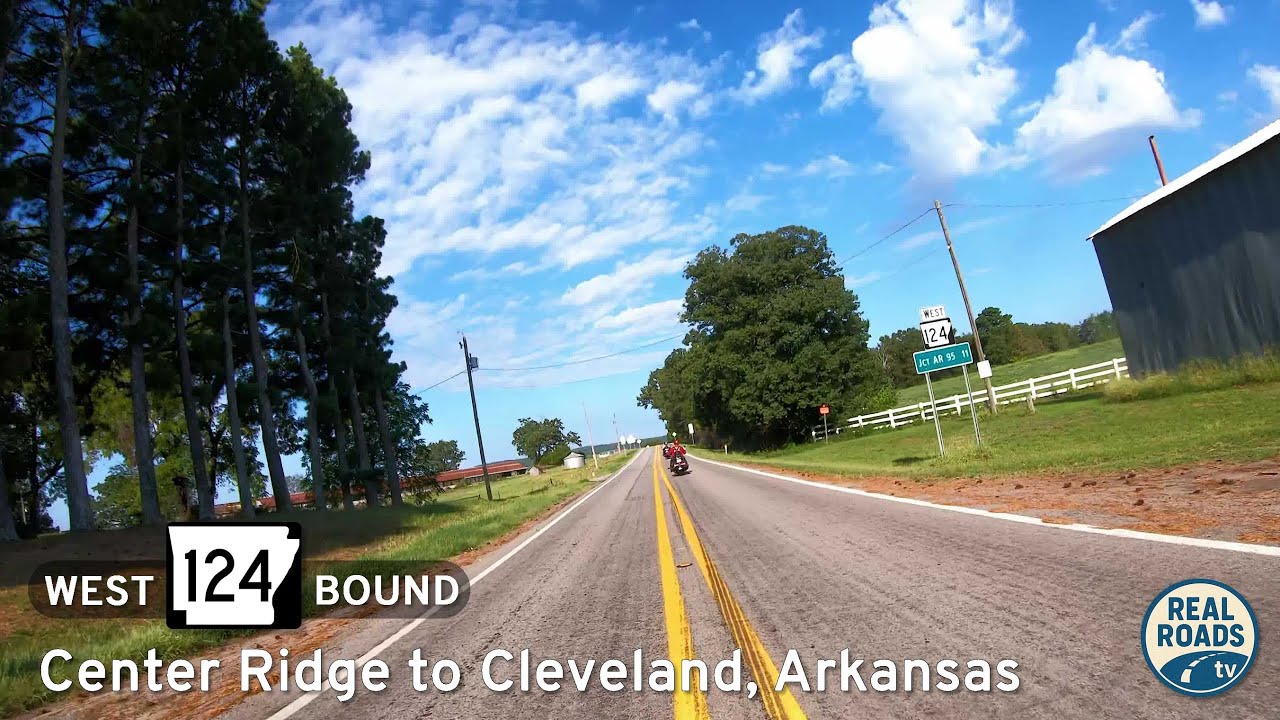
Cruise west along Arkansas Highway 124 from Center Ridge to Cleveland — a peaceful 11-mile drive through the wooded hills and farmland of Conway County, Arkansas, showcasing the timeless beauty of rural Ozark foothills.
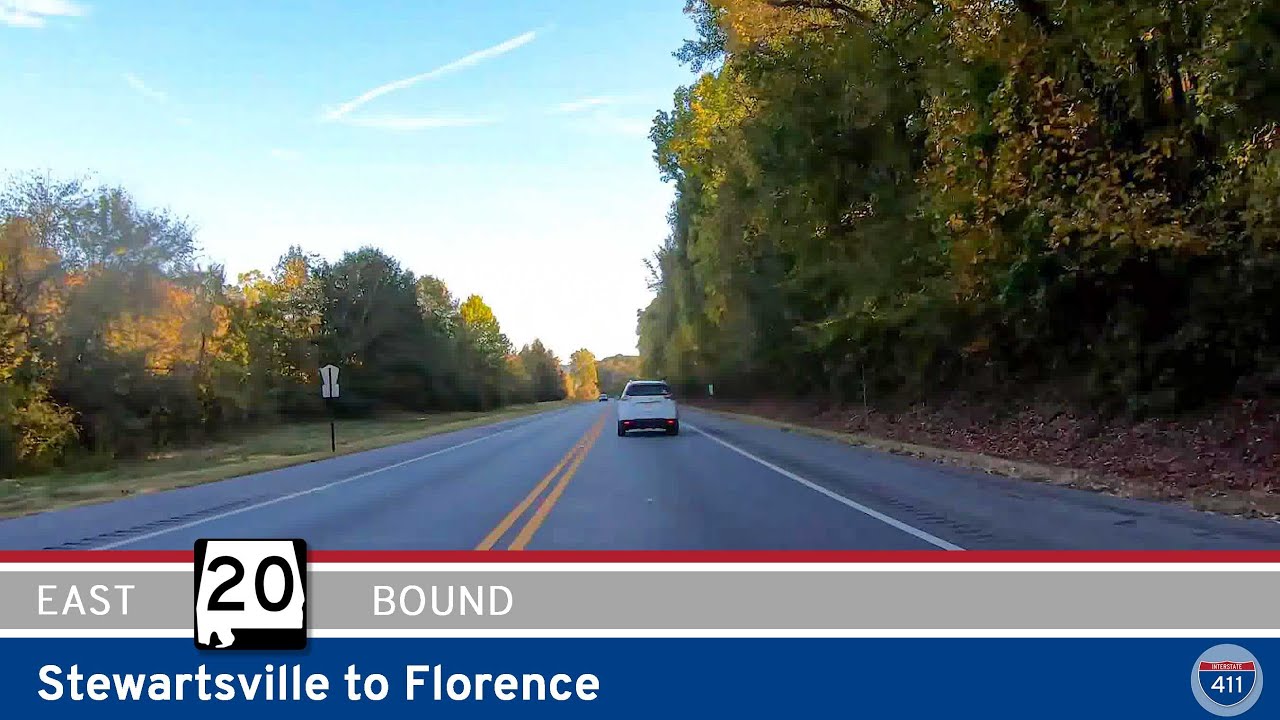
Experience a peaceful 14-mile drive along Alabama Route 20 from Stewartsville to Florence, moving from wooded Natchez Trace landscapes to rolling farmland and the busy urban gateway of the Shoals. A short but scenic look at the Tennessee Valley’s changing terrain.
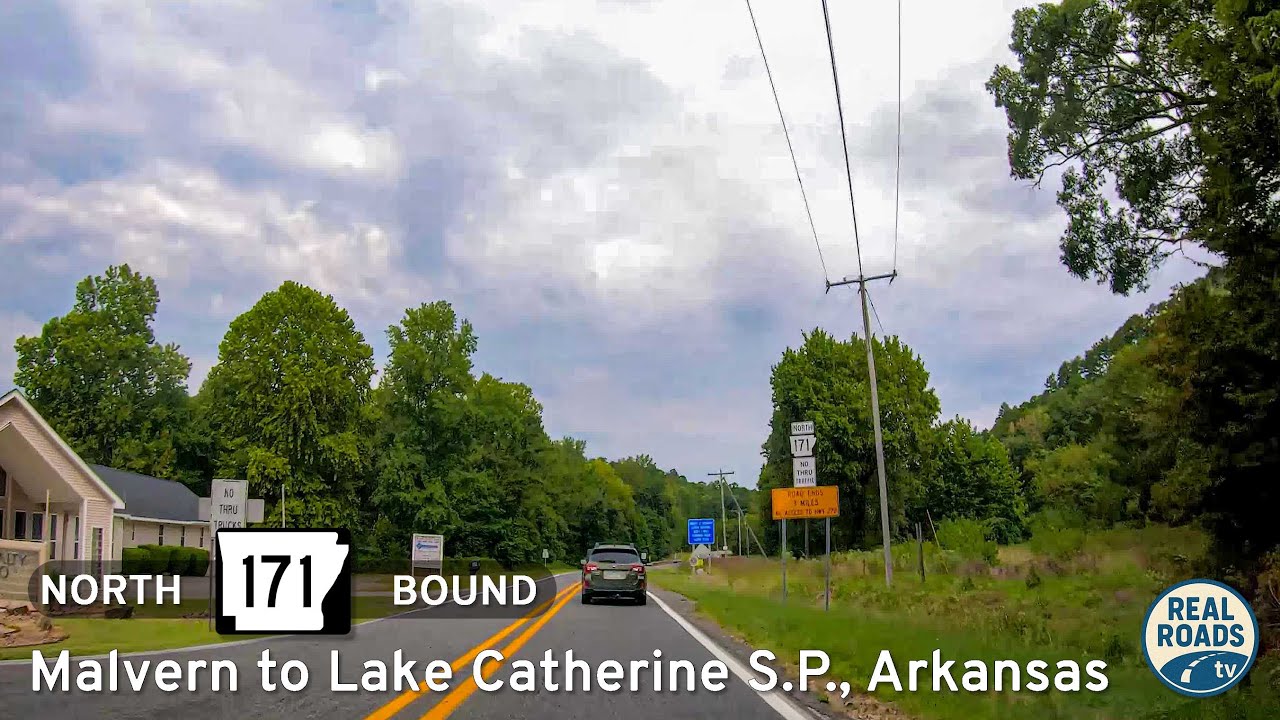
Drive 12 miles along Arkansas Highway 171 from Malvern to Lake Catherine State Park, a scenic route through farmland and forests that connects small-town Arkansas with one of the Ouachitas’ most inviting recreation areas.